Breaking the Double-Edged Scroll: How To Build Trust in Healthcare Social Media

Patients increasingly use social media platforms for health information, and much of what they find comes from unqualified sources. Healthcare organizations can build trust on social media by showing up consistently with credible, human guidance that helps patients navigate misinformation. The challenge for providers is balancing the opportunity for patient education with the risk of competing against unreliable content.
Healthcare organizations build trust on social media by showing up consistently with credible, human guidance that helps patients navigate misinformation rather than compete with it.
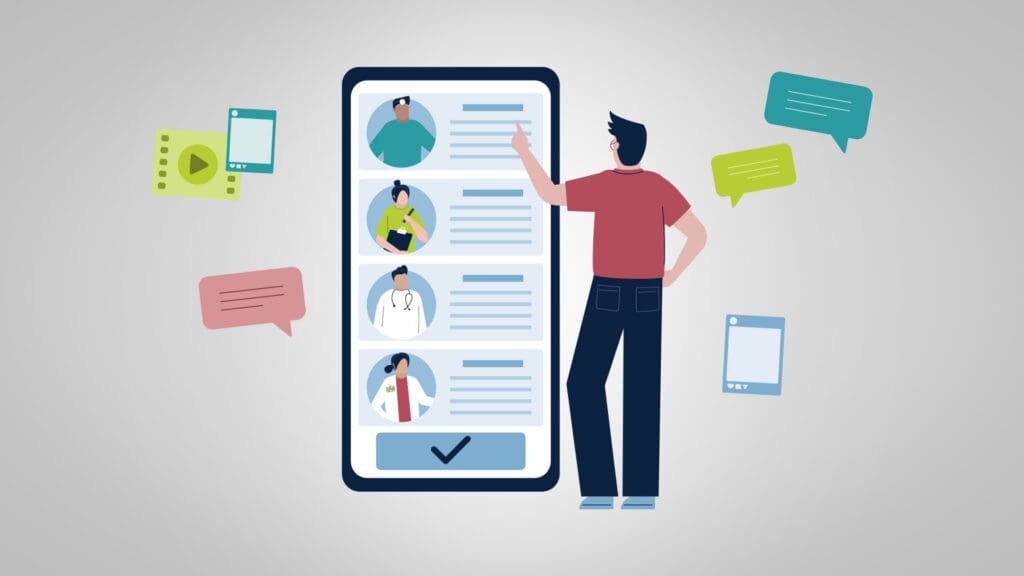
Social media is transforming the way patients engage with healthcare providers. Platforms like Facebook, TikTok, Instagram and Reddit are now being considered go-to sources for health and wellness information — some credible, some dangerously off-base. This shift brings both opportunities and risks for providers.
On the one hand, social media has created new learning opportunities, providing patients with easier access to health and wellness education from credible professionals. On the other hand, the sheer volume of content — much of it coming from unqualified sources — can lead to the spread of misinformation and even harmful self-diagnosis. For healthcare providers, this means spending more time correcting false narratives and rebuilding trust with patients who may have been influenced by unreliable online information.
Let’s explore how healthcare organizations can cut through the noise on social media and restore trust with patients.
The Trust Gap
Research from Tebra found that, on average, 45% of medical advice on TikTok is false or misleading. This statistic is particularly alarming given that a 2024 study published in the National Library of Medicine found that more than half of Generation Z TikTok users turn to the platform for health information and advice.
This issue extends beyond TikTok. Social media as a whole is reshaping how younger generations view healthcare. According to a 2025 Edelman Trust Barometer survey, 38% of adults ages 18-34 have ignored a provider’s medical advice in favor of information from social media—a double-digit increase from the previous year. These findings reflect how trust is shifting in real time.
Along with false claims, social media often provides users with information overload, making it difficult for patients to separate fact from fiction. With so much health content just a click away, providers play a more important role than ever in guiding patients. Sharing accurate and trustworthy information is key to rebuilding trust with patients. Delivering it in a clear and compassionate way helps them make better decisions about their health. This work doesn’t stop after appointments; patient education needs to continue online as well.
For healthcare companies, it’s essential to rethink how and where they show up online. If they don’t join the conversation, someone else already is, and that “someone” may be spreading misinformation.
Reclaiming the Feed
Providers can break into the cycle and meet this demographic of patients where they’re at — online. Many patients turn to social media because they feel hesitant or uncomfortable asking questions in the exam room. By proactively sharing factual, easy-to-understand health information across social channels, providers can bridge that gap and better reach patients.
Across their social media channels, healthcare organizations should prioritize building a robust library of educational content. This helps counter false narratives and expand educational opportunities for patients.
Educational content examples
Educational content on social media can be in different forms, such as:
Short-form educational videos: In less than a minute, a medical provider can educate users on a topic such as:
- signs and symptoms of a disease or condition,
- when to visit an urgent care vs. emergency room,
- a checklist for when to receive specific preventive tests, screenings or vaccines,
- debunk myths or misinformation,
- address trending topics in healthcare,
- and more.
Infographics: Visually engaging posts can highlight key facts, such as when to begin certain screenings, what to expect during an exam, or simple prevention tips like how to reduce your risk of catching the flu, etc.
Patient testimonials: Share HIPAA-compliant stories that highlight real experiences with specific conditions or treatments to humanize healthcare and build trust.
Reputable news articles in which your organization or providers have addressed healthcare topics.
These are just a few examples of how to build trust in healthcare social media by interrupting the spread of false information and providing patients with credible facts. Social media can serve as that first point of contact for patients, a place where curiosity feels safe and information feels accessible. When done well, this type of educational social media content transforms a scroll into a learning opportunity, helping patients feel seen and supported long before they ever step into the waiting room.
Community Management Matters for Reputation Management
Along with proactively reaching out to patients through social media posts and one-on-one communication in the exam room, healthcare organizations must also focus on community management. This practice is critical to maintaining a positive reputation and building trust. Social media is not just a one-way channel — it’s an ongoing conversation, and patients expect timely responses to their questions and comments.
Healthcare organizations should consistently monitor comments, messages and reviews on social media and aim to respond within 24 hours, if not sooner. Doing so not only addresses immediate questions but also creates an environment where patients feel heard and supported. In addition, timely responses allow organizations to correct misinformation being spread by others and guide patients toward accurate resources, ultimately reinforcing credibility.
Professionalism Offline and Online
In addition to healthcare companies’ corporate channels, providers should be mindful of their personal social media presence. Sharing unverified health advice or controversial opinions on personal pages can harm both the individual and the organization’s reputation.
Every post counts. For example, an outpatient care facility in California received backlash over a TikTok post created on an employee’s account that mocked patients. Missteps of this nature can undo years of hard-earned credibility and damage your organization’s reputation. Every post or engagement from a corporate channel or one of its providers contributes to the public’s perception of their expertise and trustworthiness.
Get Expert Help With How to Build Trust in Healthcare Social Media
While social media introduces risks, it also opens doors. Healthcare organizations can leverage these platforms to control the narrative about health information and educate patients, while simultaneously strengthening their relationships.
Struggling to cut through the noise and build real trust with patients online? Our team will walk through your current social presence and show you where you can strengthen credibility and connection.
KEY TAKEAWAYS
- Social media platforms like TikTok, Instagram, and Reddit are now go-to sources for health information, which creates both an opportunity and a misinformation risk for healthcare providers.
- Healthcare organizations build social media trust through consistency and credibility, not by competing with viral content on volume.
- Providers are spending more time correcting false narratives and rebuilding trust with patients who have been influenced by unreliable online sources.
- The goal on social media is to be a steady, credible guide for patients, helping them navigate health information rather than adding to the noise.
- A strong social media presence supports patient engagement across the full journey, from initial awareness through follow-up care.
Working on patient engagement or reputation strategy in healthcare? PriceWeber has partnered with senior care, home health, hospice, and multi-site health system marketers on the questions this post raises. If you would like to compare notes with Jonathan Bone, our Co-President, reach out at [email protected] or visit our healthcare marketing page.
Our Articles Delivered
Signup to receive our latest articles right in your inbox.