Social media posts from healthcare workers can quickly damage patient trust and create reputational risks for hospitals and health systems. Viral incidents can also affect employer brand and recruitment. Healthcare organizations need clear policies and training to help employees use social media responsibly.
For a long time, healthcare organizations treated employee social media activity as mostly an HR issue. But platforms like TikTok, Instagram and LinkedIn have changed the stakes.
What healthcare professionals post online can affect patient trust, an organization’s reputation and even its ability to recruit talent. In an industry built on professionalism and privacy, a single viral video can quickly create serious consequences.
In this edition of Vital Signs, we look at how social media posts from healthcare workers are creating new challenges for hospitals and health systems, and what that means for employer branding.
KEY TAKEAWAYS
- Posts from healthcare workers can quickly spread online and create reputational or legal concerns for both the individual and their employer.
- Content that appears to mock patients or reveal clinical situations can undermine the trust that healthcare organizations rely on.
- Even personal social media posts often become associated with the healthcare organization where the employee works.
- Viral controversies can shape how job seekers view a healthcare organization’s professionalism and workplace culture.
- When used thoughtfully, clinicians can educate the public, advocate for patients and build transparency around healthcare.
- Healthcare organizations should set expectations, provide education and proactively manage social media risks to protect their reputation.
When Personal Posts Become Public Problems
Recent incidents show just how quickly social media content can spiral into something bigger. Take Sutter Health’s Sansum Clinic in Santa Barbara, California, for example, where employees were fired after posting a TikTok video joking about unpleasant patient situations. The video drew significant backlash online, with viewers criticizing the tone and questioning how patients were being treated.
In another case, a nurse livestreamed herself administering medications on TikTok, raising concerns about patient privacy and professional conduct. She was terminated from her job and faced an investigation by the Board of Nursing.
Situations like these don’t just affect the individuals involved. They often pull the employer into the spotlight as well, prompting questions about workplace culture and training.
Why Healthcare Is Different
Every industry deals with social media controversies from time to time. Healthcare is a little different because the profession depends so heavily on trust. Patients expect clinicians to treat them with dignity and protect their privacy at all times. When a post appears to mock patients or reveal aspects of clinical care, it can undermine that trust almost immediately.
Healthcare professionals also carry authority in their communities. Their actions, online or offline, can shape how the public views the profession as a whole. And because clinicians are closely associated with the organizations they work for, those perceptions often extend to the health system itself.
That’s why social media behavior can quickly become tied to an organization’s reputation.
The Impact on Recruitment and Employer Brand
Social media incidents don’t just create short-term headlines. They can also shape how potential employees view an organization.
Today’s healthcare job seekers often research employers before applying. Viral controversies or negative coverage can raise questions about workplace culture and professional expectations. In a competitive hiring environment, those perceptions matter.
Candidates want to know the organizations they join take professionalism seriously and protect patients. When those expectations seem unclear, it can affect recruitment.
The Upside of Social Media in Healthcare
None of this means healthcare professionals should avoid social media entirely.
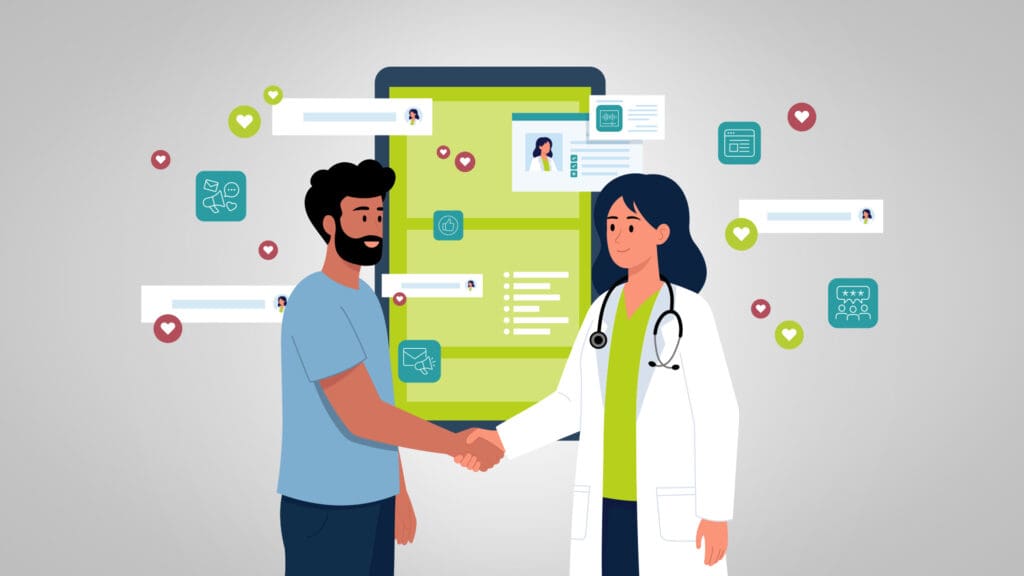
Many clinicians use these platforms to educate the public, advocate for patient care and share insights about their work. Done well, those voices can strengthen trust and humanize healthcare.
Social media can also give patients a better understanding of the people behind their care. When healthcare professionals share their experiences or explain medical, it can build transparency and connection.
The challenge isn’t participation. It’s understanding the boundaries.
What Organizations Can Do
Healthcare organizations can reduce risk by approaching social media more proactively.
Clear policies are important, but so is education. Employees need to understand why privacy rules exist, how quickly content can spread online and how posts may reflect on the organization.
Clear expectations, regular training and consistent messaging from leadership can help prevent many of these issues before they start. Organizations should also monitor their reputation and respond quickly if issues arise to help maintain trust with patients and the public.
The New Reality of Social Media at Work
Healthcare professionals have always represented their organizations in the community. Social media has simply expanded where that representation happens. A post created in seconds can reach thousands, or millions, of people just as quickly.
For healthcare organizations, that reality connects employee behavior, reputation management and employer brand more closely than ever before. That’s why organizations can no longer treat employee social media activity as just an HR issue; it’s a strategic communications challenge as well.
Support Your Reputation With Strategic Communication
Social media is part of today’s healthcare landscape. With the right strategy, it doesn’t have to become a liability. If you want to strengthen your employer brand and help employees navigate social media responsibly, our healthcare marketing experts are here to help. Contact us here or call us at 502-499-4209 to start the conversation.
Our Articles Delivered
Signup to receive our latest articles right in your inbox.