Licor 43: A Flight Plan for Awareness
How PriceWeber built a flighted, test-and-learn media program to grow awareness for a niche Spanish liqueur, and showed flight over flight that awareness-led media can drive store visits and sales.
13.4
percentage-point lift in ad recall on connected TV (+13.4), about 6× the overall campaign average
2.42×
attributable ROAS, with a 28% lift in sales per household (receipt-panel validated)
+41%
more store visits in Flight 2 than Flight 1, at a lower cost per visit
Challenge
Licor 43 (Zamora Company) is a distinctive Spanish liqueur with a devoted following and, in the United States, a small one. In a crowded spirits market, the brand was under-known, with a base that skewed male and a footprint concentrated in a handful of cities. The job was awareness: make more of the right people aware of Licor 43, efficiently, in the markets that matter most.
But awareness alone is easy to claim and hard to prove. Beverage-alcohol advertising is throttled by platform policy, with paid search and social running under constant restrictions, and awareness campaigns rarely connect to anything a brand can bank. Licor 43 did not just need its name in front of more people. It needed proof that doing so moved them toward the shelf.
The Idea
Run the year as a series of flights, not one big campaign: a test-and-learn engine.
Each flight is an experiment with a clear hypothesis, built on one model: awareness-led, anchored in premium video, concentrated in priority markets, and sequenced down a full funnel. And each flight is measured to real-world outcomes, not vanity metrics: a brand-lift study to prove recall, a footfall study to tie exposure to actual store visits, site analytics to catch intent, and receipt-panel data to validate sales. Every flight proves what works, retires what does not, and scales the winners into the next.
The goal was awareness. The discipline was proving that awareness pays off downstream, and then doing it again, better.
The Work
PriceWeber planned and ran the program as Licor 43’s paid media agency of record, flight by flight.
Flight 1: The Foundation (Spring 2026)
The first flight built and proved the model. Connected TV and premium video anchored awareness at scale; programmatic native, display and online video carried consideration; paid social and policy-capped paid search captured the demand that awareness created. All of it was concentrated in Tier 1 markets against a tightly qualified audience. PriceWeber also wired measurement in from day one: a brand-lift study, GA4 site analytics, a store-visit footfall study measured against a matched control, and receipt-panel sales validation.
Flight 2: The Scale (Summer 2026)
The second flight pressure-tested the model at roughly 60% greater weight, built around a cultural tentpole: the FIFA World Cup. CTV ran in the five host markets, digital out-of-home was added for big-moment presence, and a lean always-on layer of native and retargeting stayed in market after the tentpole to sustain response. Structured tests ran underneath it all, covering creative size and format, video length and aspect ratio, and first-party lookalike audiences against cold prospecting pools, so the flight did not just perform, it taught.
Flight 3: Carajillo Season and Holiday (in market through year-end)
The third flight applies what the first two proved: double down on the tactics and audiences that drove store visits, retire the ones that did not earn their place, restructure around the category’s advertising constraints, and weight toward the markets and creative that overperformed. It runs through year-end, and results from this flight are not included here.

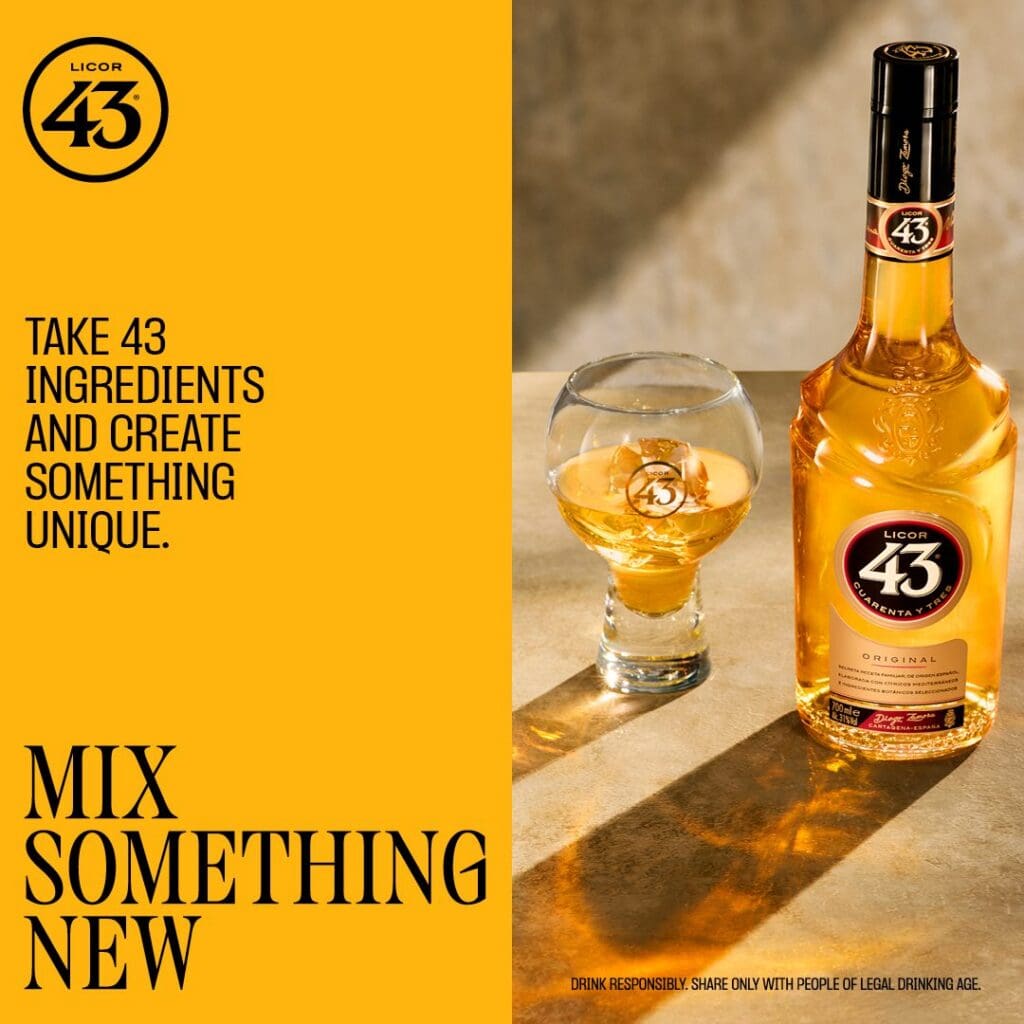
Drink responsibly. Share only with people of legal drinking age.
See it in motion
The Results
The goal was awareness, and across the first two flights PriceWeber built it and showed that it carried through to the shelf.
Awareness came first, and it landed. The connected-TV-anchored model drove a 13.4-point lift in ad recall on CTV, roughly six times the overall campaign average, confirming that reach-focused premium video did the job it was bought to do.
That awareness created behavior. Site sessions rose 106% year over year, events and purchases jumped 183%, and the store-locator page went from near-zero to more than 60 views a day. Across the two flights, a footfall study measured against a matched control attributed more than 510,000 store visits. And the model improved as it grew: Flight 2 delivered 41% more store visits than Flight 1 at a lower cost per visit, even as the buy scaled by roughly 60%.
It also paid off. Receipt-panel analysis validated a 28% lift in sales per household and a 2.42× attributable return on ad spend, with new-buyer penetration up 23.6% against a 6.82% category norm: growth from new households entering the category, not heavier buying by existing fans. The campaign recruited a new consumer as well: roughly two in three conversions came from women, against a base that skews male.
Most of all, the engine keeps improving. Each flight banked lessons, scaling the native prospecting, retargeting and first-party lookalike audiences that drove visits, and retiring the premium sports inventory that did not earn its premium once the tentpole passed. That is the point of a test-and-learn program: awareness you can prove, and a model that is sharper every time it flies.
Paid media was one part of the Licor 43 story. See how creators carried the brand into culture in An Influence That Doesn’t Play by the Rules.