Blog - marketing compliance & advertising regulations

All Posts

marketing compliance & advertising regulations

Resources for navigating the rules that govern how businesses market and advertise, from federal and state regulations to industry-specific advertising requirements.

Illustrations of woman holding up her hand in a stop gesture in front of website content and icons, representing consent management platforms.

Consent Management Platforms: What You Must Know Today

If your website collects consumer data, a consent management platform is no longer a nice-to-have. With twenty U.S. states now enforcing comprehensive privacy laws, businesses need a reliable system for capturing visitor permissions and honoring opt-out requests. The right CMP handles cookie banners, audit trails, and multi-state compliance in one place. Find out what to look for and how to get your consent management up to standard.


Illustration of two figures pushing shapes to represent bank redlining risks and fair marketing practices.

How To Avert Bank Redlining Through Fair, Inclusive, and Innovative Marketing Practices

Bank redlining is still a real regulatory and reputational risk, even for institutions that never intended to discriminate. Unintentional exclusion through geotargeting, loan promotions, or algorithmic decision-making can trigger the same consequences as deliberate bias, and the DOJ’s record $13.5 million settlement in 2023 shows regulators aren’t slowing down. Routine audits of marketing, data practices, and automated systems are the best way to stay ahead of fair lending scrutiny. Discover what to check before regulators do.

Illustration of crystal ball with icons representing Google's YMYL guidelines for website content.

Is Your Website YMYL? Demystifying Google’s YMYL Guidelines and How To Follow Them

Google holds certain websites to higher quality standards because inaccurate content can cause real harm. If your business operates in healthcare, finance, legal services, or insurance, your site is classified as YMYL (“Your Money or Your Life”). That means Google expects you to demonstrate expertise, authoritativeness, and trustworthiness to rank well. Discover how to strengthen your E-E-A-T signals and protect your search visibility.

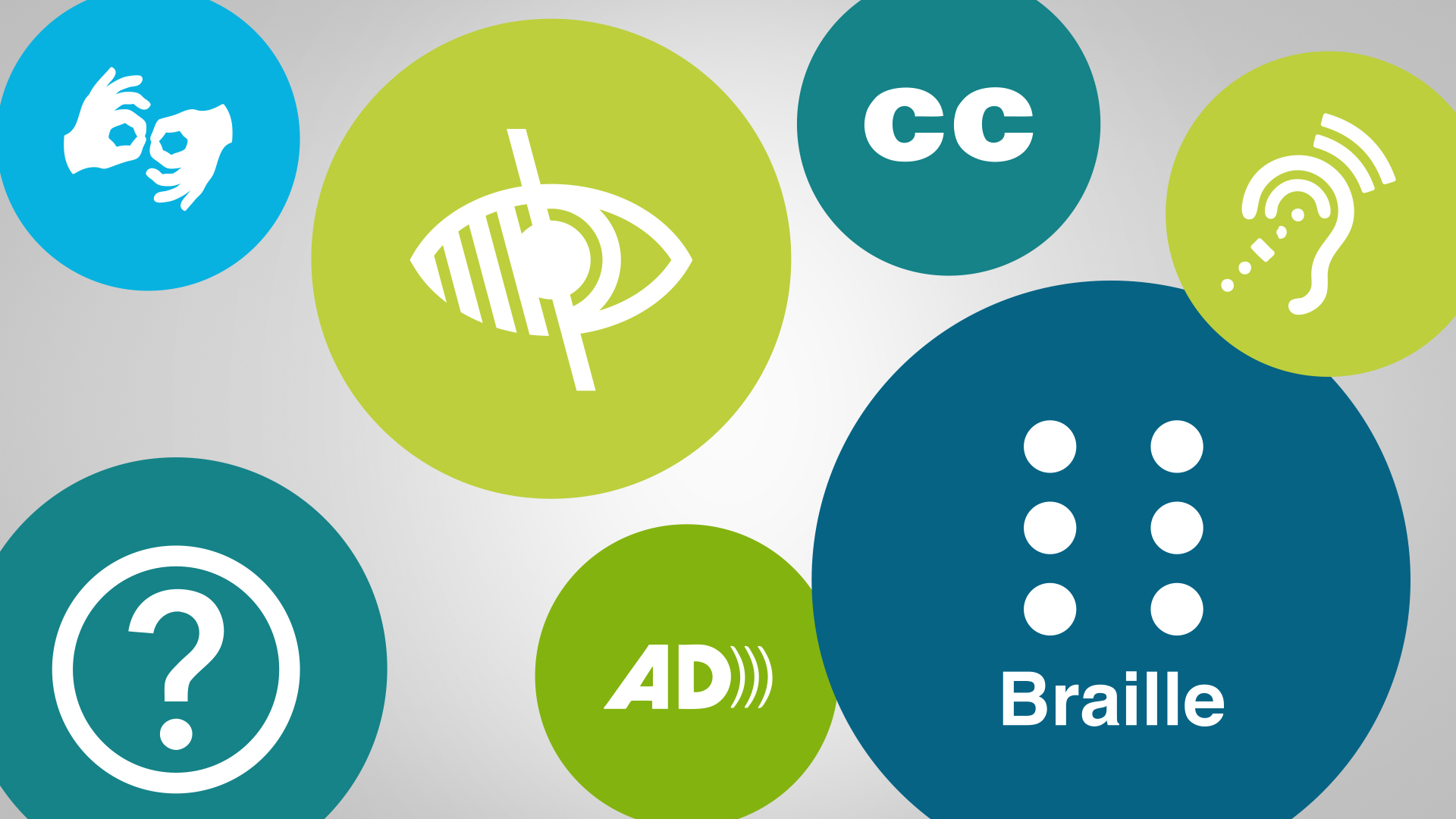
WCAG 3.0 accessibility icons including sign language, low vision, closed captioning, hearing assistance, audio description, and Braille.

WCAG 3.0 and Your Business: What’s Coming, What’s Changed, and What to Do Right Now

WCAG 3.0 is coming, but it’s still years away from becoming official. The next major version of web accessibility standards will replace the pass/fail model with graduated scoring and expand coverage to emerging technologies. WCAG 2.2 AA remains the standard your business needs to meet today. Read more about what’s changing and how to stay ahead of the curve.

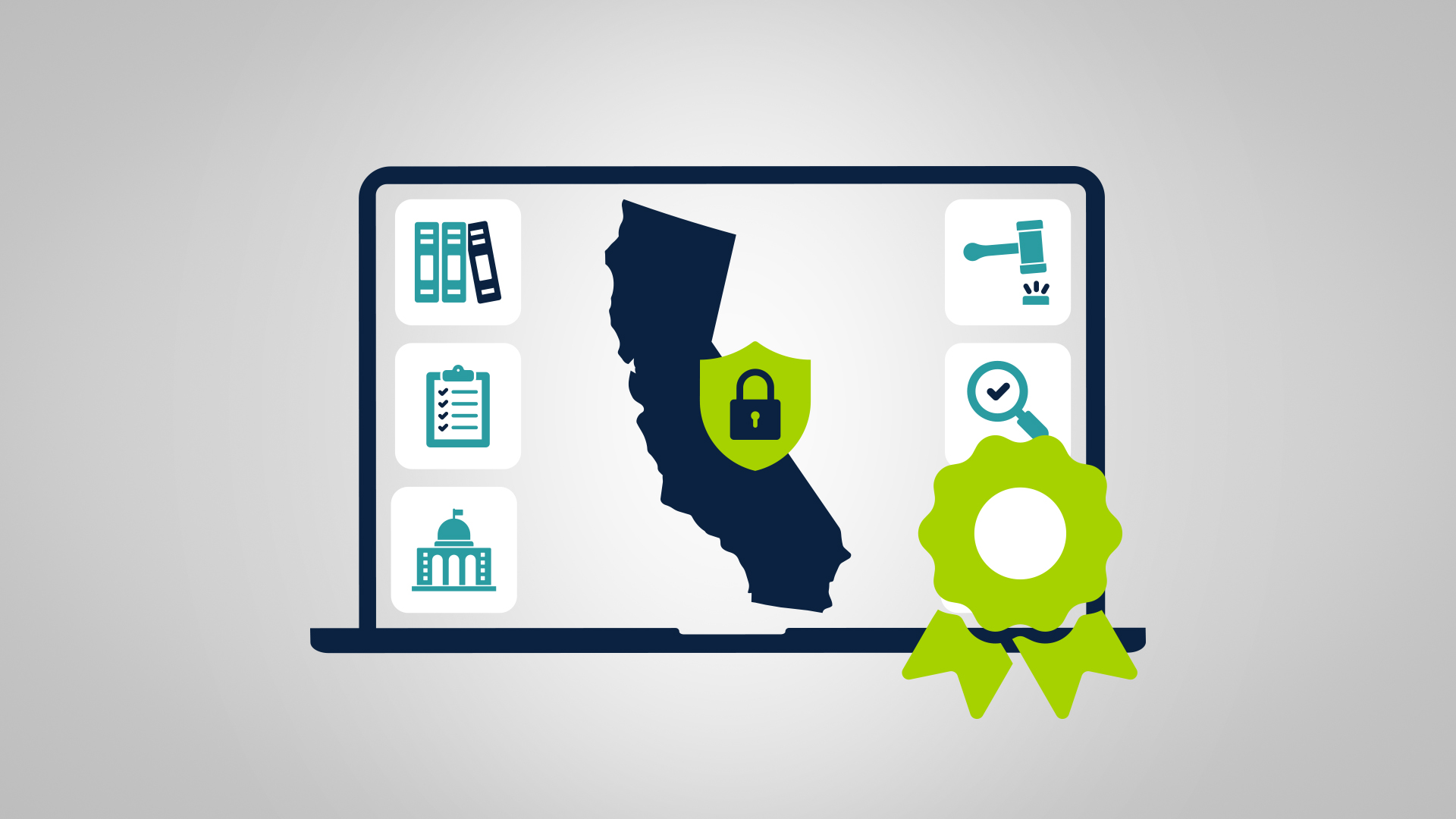
Illustration of a laptop screen displaying a map of California with a security shield and padlock icon, surrounded by icons representing legal documents, a checklist, a government building, a gavel, and a compliance badge, representing CCPA compliance requirements.

CCPA Compliance Questions: What Every Business Needs to Know in 2026

The California Consumer Privacy Act is one of the strictest consumer privacy laws in the U.S., and new regulations taking effect in 2026 expand its reach even further. Twenty states now have comprehensive privacy laws on the books, so this isn’t just a California problem. If your business collects personal data from consumers in any of these states, your privacy policies and opt-out mechanisms need to be current. Find out what the latest requirements mean for your compliance strategy.

ADA accessibility for websites illustration showing a laptop with audio waveform, document, and content blocks on screen.

ADA Accessibility for Websites: Why Your Site Needs to Be Accessible Now

ADA website accessibility is no longer optional, and lawsuits are climbing fast. Federal courts consistently rule that websites fall under Title III, and the DOJ now requires WCAG 2.1 Level AA compliance by April 2026. Most websites still fail basic accessibility checks. Learn why a code-level audit is the most effective first step to protecting your business.