Blog

Our latest thinking on issues that matter most in marketing and business.

Reset
$100 dollar bills with Ben Franklin wearing mask to represent customer behavioral changes during the pandemic

Consumer Behavioral Changes During the Pandemic and What Still Lingers Today

The country is emerging from a generation-defining disaster in the form of the COVID-19 pandemic. As of December 2020, the U.S. had 10 million fewer jobs than before the pandemic. According to Yelp, by September 2020, over 97,000 businesses had indicated they closed their doors permanently. Plus, the global media attention to the virus has led to a sharp increase in public fear about germ safety. While all that seems gloomy, U.S. consumer confidence remains solid, gross domestic product (GDP) is heading in the right direction, and America seems on the way to a sound recovery. While we don’t expect a rash of saltshaker thefts, we do think it’s likely that some behavioral changes sprouting from the past year may remain long after the pandemic is history. In today’s Plain Talk, we’ll dig into some of the long-term implications of consumer behavioral changes during the pandemic and how to adjust to meet them head-on.

PriceWeber PriceWeber
10 min read
Apr 08, 2021
People behind the scenes at a photoshoot to represent considering content assets

Do Your Content Assets Satisfy Skyrocketing Web Use?

Brands globally worked to build or upgrade their websites and online stores in response to the pandemic, which is no surprise with the closures of brick-and-mortar businesses. However, what many brands did not prepare for was the impact that skyrocketing internet use had on the relevance of their digital image and video asset library. In today’s Plain Talk, we’ll explore how brands should use content assets like photos, video, and animation to maximize sales and value in digital channels.

Illustration of a man using a smartphone banking app with cards, coins, and receipts, representing digital engagement in banking.

Digital Engagement in Banking: Managing the Cycle That Never Ends

Most consumers now prefer to manage their banking digitally, and digital-only banks are capturing a growing share of new accounts. Traditional institutions need a strategy that covers every stage of the customer relationship, from awareness through onboarding and ongoing engagement. Discover how to build a digital engagement cycle that turns prospects into long-term customers.

Computer motherboard with AI chip. AI implementation for small business isn't out of reach.

AI Implementation for Small Businesses

AI is now the cornerstone of big businesses like Amazon, Google, Apple and IBM. It continually reforms what is possible for retail, logistics and manufacturing. But, did you ever stop to think how AI could be used for a mom-and-pop business or small company? You may not have, but that hasn’t stopped AI from thinking about your business! In this edition of our Plain Talk newsletter, we’ll dig into AI implementation for small businesses. Learn how small (and even mid-size) businesses can benefit from AI and machine learning. We’ll explain how to take advantage of the AI that’s already embedded in your business (whether you like it or not).

Person checking text messages as part of SMS campaigns

Convert More Sales With SMS Campaigns

Is it just me or has everyone been getting an influx of text messages lately? And no, not from your mom or BFF—from politicians, brands and advertisers. Obviously COVID-19 has brought a ton of changes, but maybe it’s also renewed or increased interest in one-to-one communications and new (old) ways to connect with consumers. In today’s Plain Talk, we’ll dig into the resurgence of SMS campaigns and whether they might work in your marketing mix.

Laptop with email icons floating around it to represent elements of email marketing

5 Elements of Email Marketing for High ROI Campaigns

The average person receives 126 work emails a day. In a world with over four billion email users, you might think that interest in email has peaked. However, surprisingly the number of email users continues to steadily grow about 3% each year, and the number of daily emails sent grows 4% yearly. Despite the growth of Facebook and other social media, instant messaging apps, SMS, and targeted media technologies, email use and email marketing continue to grow. In today’s Plain Talk article, we’ll discuss why the elements of email marketing may be more important than ever and how to do it well.

PriceWeber PriceWeber
8 min read
Feb 11, 2021
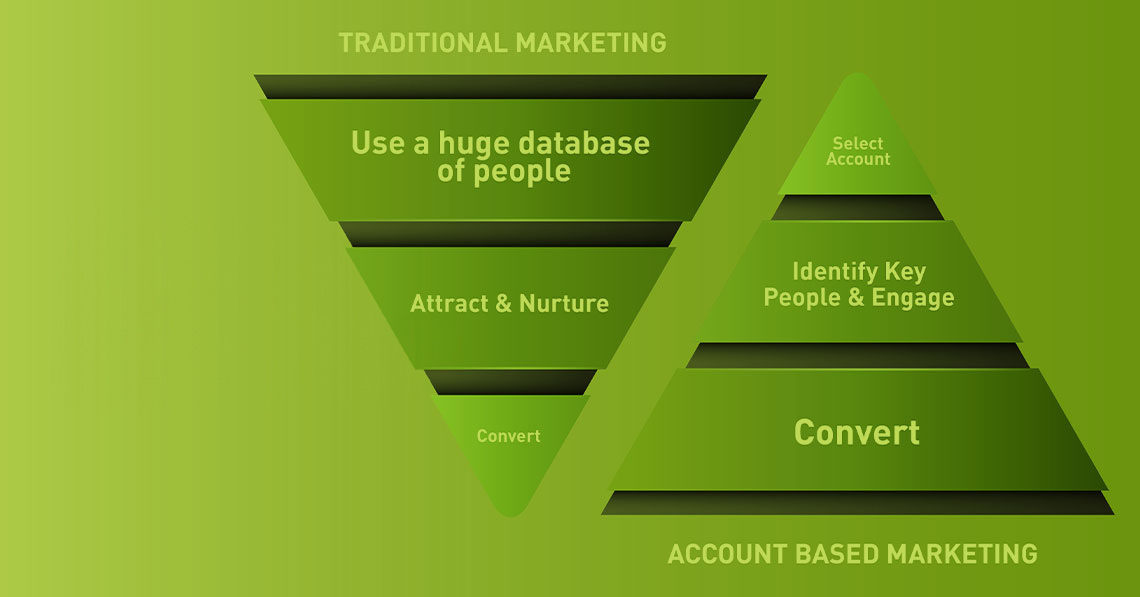
Two marketing pyramids illustrating ABM best practices

The New ABCs of ABM Best Practices

If you are working at home with your children or your dog right now, you don’t need me to remind you that COVID-19 has changed the way we live and work. In the B2B industries, the changes have been tougher than just working from home. We’ve seen critical tradeshows, events, and travel mostly canceled. Reductions in budgets and staff have led to an increased reliance on account-based marketing (ABM). In fact, according to Demandbase, budgets dedicated to ABM increased by 40% in 2020. But it’s a new year, right? So, what do we see happening with ABM best practices in the first half of 2021, and what does that mean for you and your business? In this edition of Plain Talk, we’ll run down the ABCs of ABM and how you can follow best practices for your business.

PriceWeber PriceWeber
7 min read
Jan 28, 2021
Cookies and cookie crumbles to represent digital advertising without cookies

Digital Advertising Without Cookies: 5 Solutions to Consider Now

For years, we’ve used digital advertising as an efficient and effective means of reaching exactly who we want to reach, with the right message, at the right time. Ad tech and publishers have been competing to offer better targeting, more capabilities, and better tracking, and each ad tech call offers something new—some new proprietary technology to make advertising better, stronger, and faster. Then came the year of bad news (COVID-19, murder hornets, flying sharks), and it’s all falling apart. Consumer and legislative pressures driving greater privacy requirements in advertising threaten to erase the media targeting and ad tech advancements we’ve become accustomed to incorporating into our plans. As we face a future without using cookies, we have to ask ourselves, “What now?” In today’s edition of our Plain Talk series, we’ll delve into what the future of digital advertising without cookies will entail. We’ll also explore why it’s not as scary as you might think.